
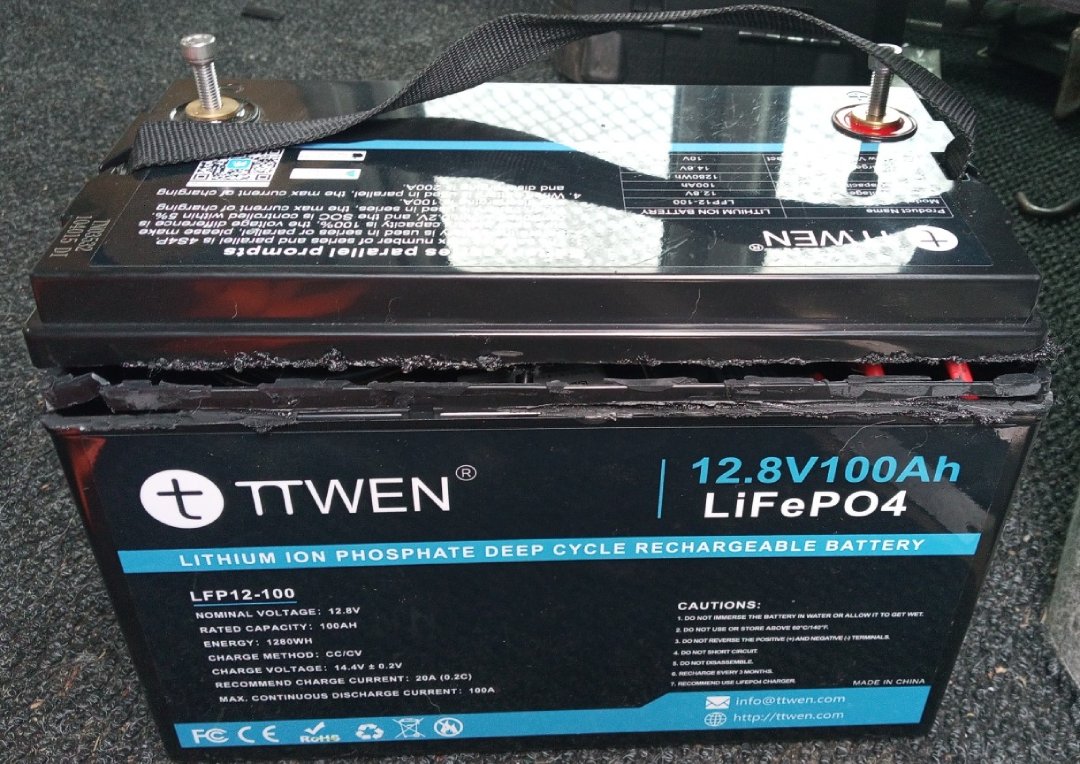
Rälläkällä halkaistu lifepo4-akku.
LiFePO4-akut ovat viime vuosina yleistyneet nopeasti matkailuautoissa, veneissä, vapaa-ajan asunnoilla, aurinkosähköjärjestelmissä ja erilaisissa energiavarastoissa. Useimmat käyttäjät näkevät akun kuitenkin vain mustana muovilaatikkona, jossa on plus- ja miinusnapa. Harva tulee ajatelleeksi, mitä kotelon sisällä oikeasti on tai miksi LiFePO4-akku on niin paljon enemmän kuin neljä sarjaan kytkettyä kennoa.
Tässä artikkelissa puretaan TTWEN 12,8 voltin 100 Ah LiFePO4-akku osiin ja käydään läpi sen rakenne mahdollisimman käytännönläheisesti. Tarkoituksena ei ole arvostella valmistajaa tai verrata tätä akkua muihin merkkeihin, vaan näyttää, miten nykyaikainen LiFePO4-akku on rakennettu ja mitä sen eri osat tekevät.
Tätä akkua ei avattu pelkästä uteliaisuudesta. Akussa oli jo aiemmin irronnut NTC-lämpötila-anturin johto. Myöhemmin akku putosi lattialle, jolloin BMS irtosi kiinnityksestään ja alkoi liikkua kotelon sisällä. Koska akku oli joka tapauksessa avattava, päätin käyttää tilanteen hyödyksi ja dokumentoida sen rakenteen mahdollisimman tarkasti.
Haluan korostaa heti alkuun yhtä asiaa. Valmiita LiFePO4-akkuja ei ole suunniteltu käyttäjän huollettaviksi. Kansi on liimattu tiiviisti kiinni, ja sen avaaminen rikkoo käytännössä aina alkuperäisen tiivistyksen. Samalla valmistajan takuu raukeaa, eikä akun alkuperäistä kotelointia voida enää palauttaa täysin tehdastasoiseksi. Lisäksi akun sisällä on erittäin suuret oikosulkuvirrat, joten ilman riittävää osaamista akun avaaminen voi olla vaarallista. Tämä artikkeli on tekninen esittely, ei purkuohje.
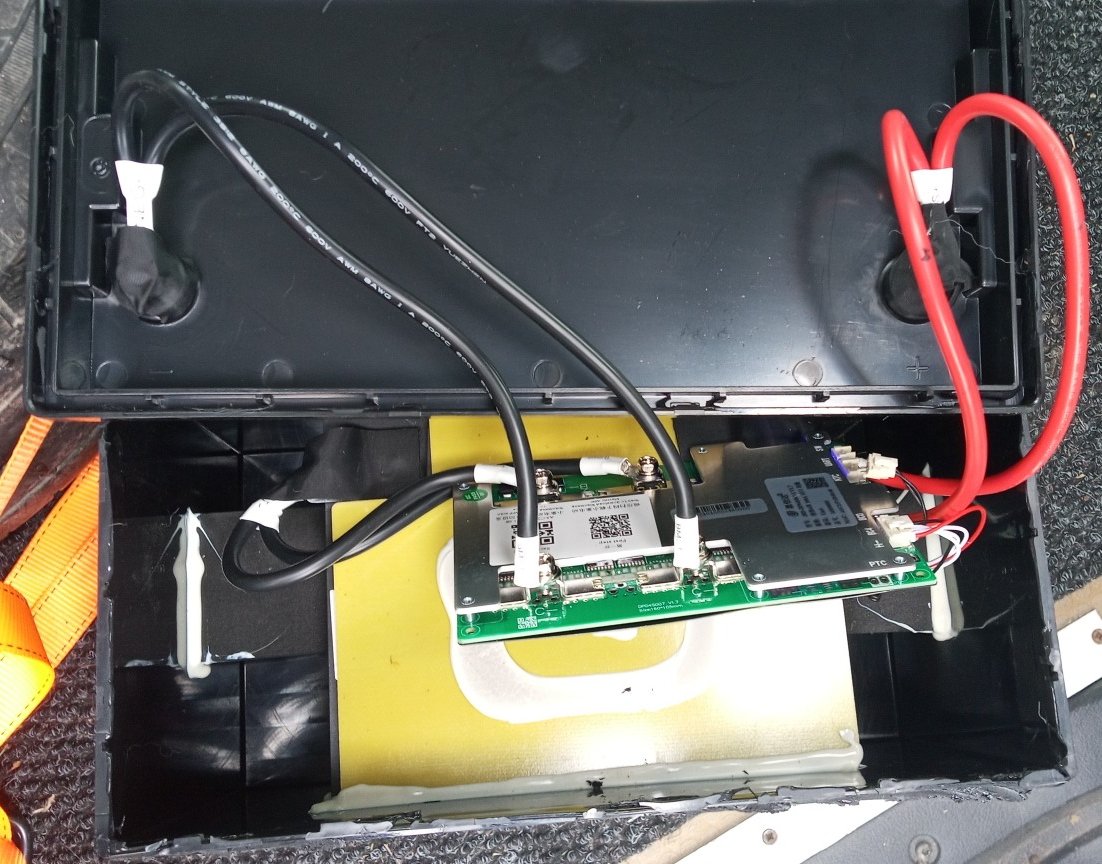
Akkuboksissa on selkeästi pehmusteet, kennot ja bms omissa osioissaan.
Huomio ennen lukemista
Valmiita LiFePO4-akkuja ei ole yleensä suunniteltu huollettaviksi. Kannen avaaminen rikkoo käytännössä aina alkuperäisen liimauksen tai tiivistyksen. Samalla valmistajan takuu raukeaa, eikä akun alkuperäistä kotelointia tai kosteussuojausta voida enää taata ilman huolellista uudelleenkasausta.
Akun sisällä on lisäksi erittäin suuret oikosulkuvirrat. Väärin tehty työ voi rikkoa akun, BMS:n, työkalut tai aiheuttaa vaaratilanteen. Tämä artikkeli on tekninen esittely, ei purkuohje.
Ensimmäinen havainto – yllättävän paljon tyhjää tilaa
Kun kansi oli saatu irti, ensimmäinen havainto oli kotelon sisällä oleva vapaa tila.
Ennen akun avaamista olisi voinut olettaa, että 100 Ah akku on lähes kokonaan kennojen täyttämä. Tässä TTWEN-akussa näin ei kuitenkaan ollut. Kennosto vie arviolta noin kolmanneksen kotelon tilavuudesta. Loppu tila muodostuu pehmusteista, BMS:n sijoituksesta ja melko suuresta tyhjästä ilmatilasta.
Tämä ei automaattisesti tarkoita huonoa suunnittelua. Valmistaja voi käyttää samaa koteloa useille eri akkumalleille tai jättää tilaa erilaisille lisävarusteille. Havainto kuitenkin selittää hyvin, miksi markkinoilla on nykyään huomattavasti pienempiä 100 Ah LiFePO4-akkuja. Kun kennot, elektroniikka ja johdotukset pakataan tiiviimmin, sama kapasiteetti voidaan toteuttaa paljon pienemmässä kotelossa.
Pelkästään akun ulkomittojen perusteella ei siis voi päätellä, kuinka suuri kennosto sen sisällä todellisuudessa on.
Kennosto on akun arvokkain osa
Akun tärkein ja samalla arvokkain osa on kennosto.
TTWEN-akussa käytetään neljää LiFePO4-kennoa, jotka on kytketty sarjaan. Yhden kennon nimellisjännite on noin 3,2 volttia, joten neljä kennoa muodostavat 12,8 voltin nimellisjännitteen. Täydellä latauksella kennot ovat noin 3,65 voltissa, jolloin akun kokonaisjännite on noin 14,6 volttia.
Juuri kennot varastoivat kaiken akun energian. Kaikki muu akun sisällä on rakennettu niiden ympärille suojaamaan niitä ja mahdollistamaan turvallinen käyttö.
Laadukkaiden LiFePO4-kennojen käyttöikä lasketaan tyypillisesti tuhansissa lataus- ja purkusykleissä. Oikein käytettynä niiden käyttöikä voi olla helposti yli kymmenen vuotta.
Tämän akun purkamisen ehkä tärkein havainto oli se, että kennosto vaikutti edelleen olevan täysin kunnossa. Vaikka akku oli saanut mekaanisen iskun, varsinaiset kennot eivät näyttäneet kärsineen vaurioita.
Pehmusteet eivät ole turhaa täytettä
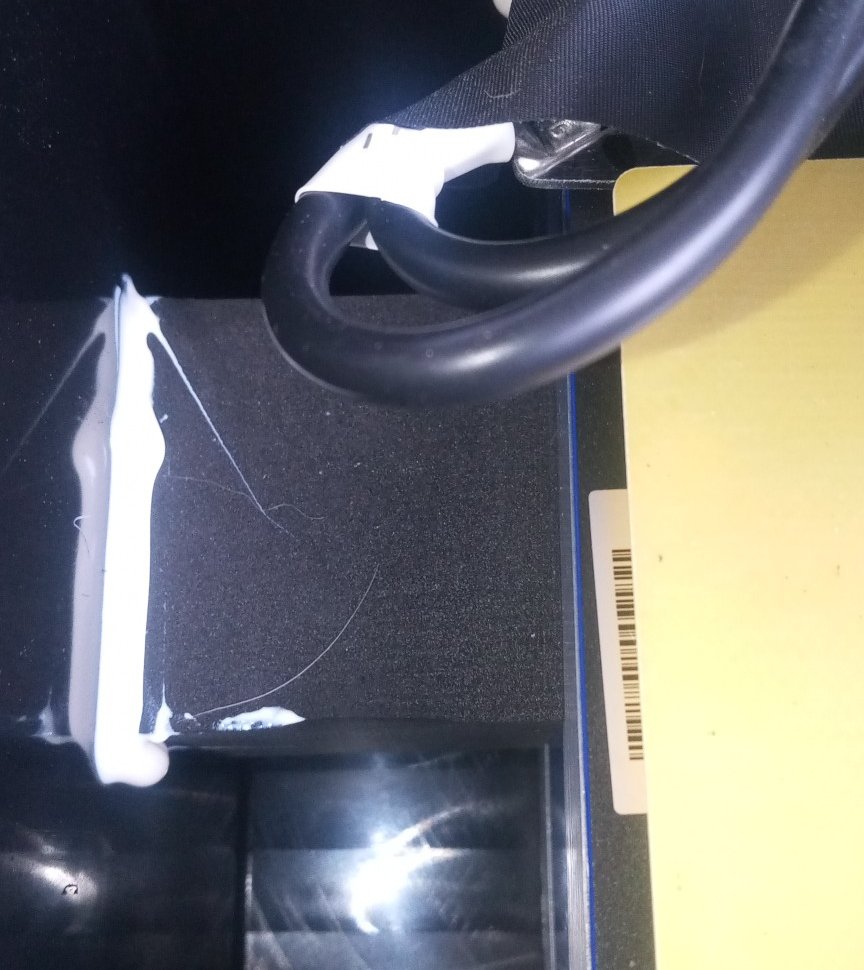
Akun sisällä näkyvät pehmusteet voivat näyttää yksinkertaiselta vaahtomuovilta, mutta niiden tehtävä on paljon tärkeämpi kuin ensisilmäyksellä voisi ajatella.
Pehmusteet pitävät kennoston paikallaan, estävät sen liikkumisen ja vaimentavat tärinää sekä iskuja. Samalla ne estävät BMS:ää, johtoja ja muita rakenteita painumasta kennoja vasten.
Ajoneuvokäytössä tällä on suuri merkitys. Veneessä, matkailuautossa tai työautossa akku altistuu jatkuvalle tärinälle, ja ilman kunnollista tuentaa rasitus kohdistuisi suoraan kennoihin ja sähköisiin liitoksiin.
Tässä akussa kennosto pysyi hyvin paikallaan myös pudotuksen jälkeen. Sen sijaan BMS irtosi kiinnityksestään. Tämä kertoo siitä, että kennoston mekaaninen tuki toimi hyvin, vaikka elektroniikan kiinnitys ei selvinnyt iskusta yhtä hyvin.
BMS on akun aivot
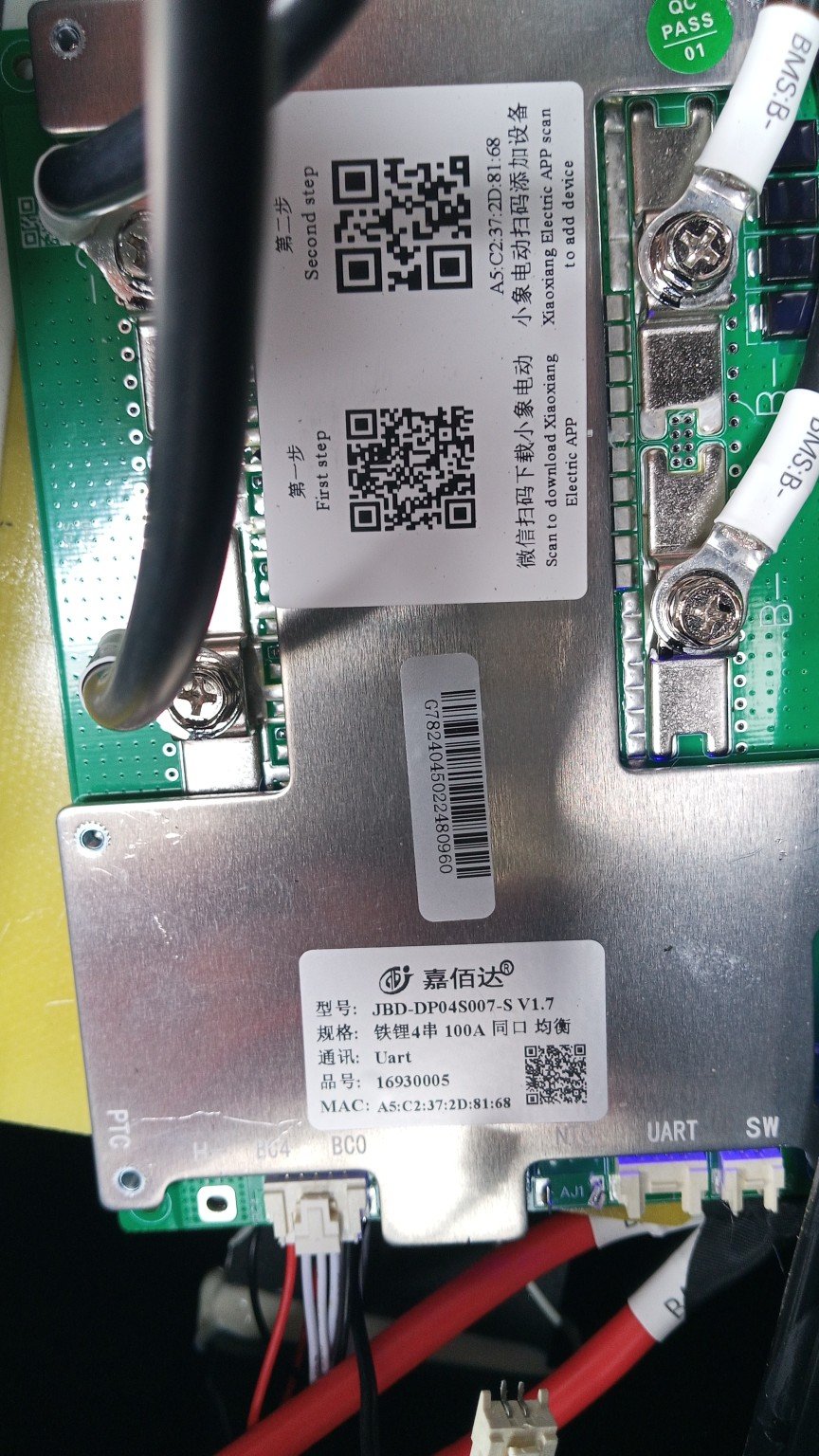
Jos kennot ovat akun sydän, voidaan BMS:ää kutsua sen aivoiksi.
Tässä akussa käytetään JBD:n valmistamaa Battery Management Systemiä, jonka mallimerkintä on JBD-DP04S007-S V1.7. Kyseessä on neljän kennon LiFePO4-akulle tarkoitettu 100 ampeerin BMS, jossa on Bluetooth-yhteys sekä UART-huoltoliitäntä.
JBD eli Jiabaida on yksi tunnetuimmista LiFePO4-akkujen BMS-valmistajista. Samoja ohjaimia löytyy lukuisista eri akkumerkeistä ympäri maailmaa, vaikka akun kyljessä olisi täysin eri valmistajan nimi.
BMS seuraa jatkuvasti jokaisen kennon jännitettä, akun kokonaisjännitettä, lataus- ja purkuvirtaa sekä lämpötilaa. Jos jokin arvo ylittää sallitut rajat, BMS katkaisee latauksen, purkamisen tai molemmat suojatakseen kennoja.
Lisäksi BMS huolehtii kennojen tasapainotuksesta eli balansoinnista. Sen ansiosta kaikkien neljän kennon jännite pysyy mahdollisimman lähellä toisiaan, mikä pidentää akun käyttöikää ja parantaa sen toimintaa.
Ilman toimivaa BMS:ää LiFePO4-akku olisi huomattavasti alttiimpi vaurioille ja myös käyttäjän kannalta selvästi vaarallisempi. Pelkät kennot nimittäin antavat virtaa todella paljon. Tällöin johtojen lämpeneminen tai sulaminen olisi hyvinkin mahdollista. BMS suojaa paitsi akkua, myös käyttäjää.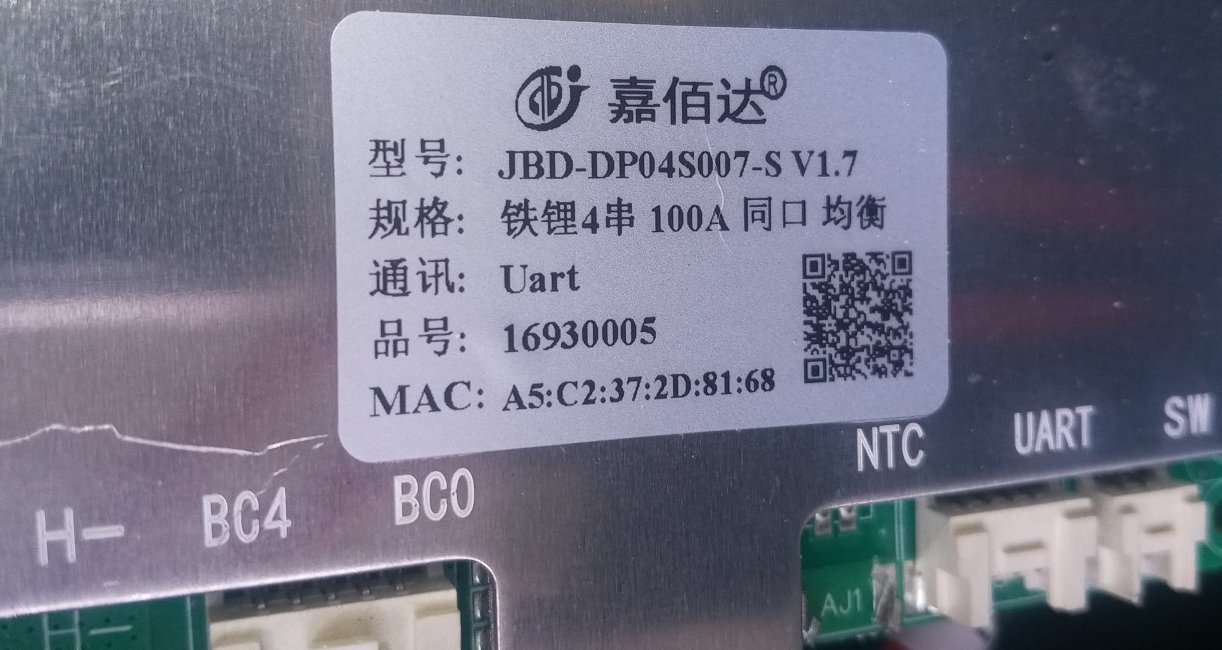
Bluetooth tekee akun toiminnasta läpinäkyvää
Yksi tämän akun ominaisuuksista on Bluetooth-yhteys.
BMS:n piirilevyssä oleva QR-koodi viittaa XiaoXiang Electric -sovellukseen, joka on yksi yleisesti käytetyistä JBD-pohjaisten BMS-järjestelmien hallintasovelluksista.
Tämän akun tutkimisessa ja asetusten muuttamisessa käytettiin kuitenkin Overkill Solar -sovellusta, joka tukee useita JBD:n BMS-malleja.
Overkill Solar löytyy Google Play -kaupasta osoitteesta:
https://play.google.com/store/apps/details?id=com.marchingband.overkillsolar
Sovelluksella voidaan seurata esimerkiksi akun jännitettä, lataus- ja purkuvirtaa, varaustilaa, kennokohtaisia jännitteitä, lämpötilaa sekä erilaisia hälytyksiä. Se tarjoaa huomattavasti enemmän tietoa kuin käyttäjä saa pelkästään akun napajännitettä mittaamalla.
Tärkeä varoitus
Varoitus: Overkill Solarilla voi saada akun toimimattomaksi
Overkill Solar ei ole pelkkä seurantasovellus. Sillä voidaan myös muuttaa BMS:n asetuksia.
Tämä tarkoittaa, että väärillä asetuksilla akun voi saada kokonaan toimintakyvyttömäksi. Latauksen tai purkamisen voi estää, suojausrajat voi asettaa väärin tai akun turvallinen toiminta voidaan vaarantaa.
Jos et ymmärrä tarkasti jokaisen asetuksen merkitystä, niitä ei pidä muuttaa.
Ennen ensimmäistäkään muutosta alkuperäiset asetukset kannattaa aina tallentaa esimerkiksi kuvakaappauksina.
Tässä akussa Overkill Solaria käytettiin tietoisesti, koska NTC-lämpötila-anturin johto oli jo irronnut eikä akkua ollut tarkoitus enää palauttaa asiakaskäyttöön. BMS:n asetuksia muutettiin niin, ettei kyseistä anturia enää käytetty. Kyse oli tietoisesta ratkaisusta juuri tämän vaurioituneen akun kohdalla, eikä sitä tule pitää yleisenä toimintatapana.
NTC-lämpötila-anturi on pieni mutta tärkeä osa
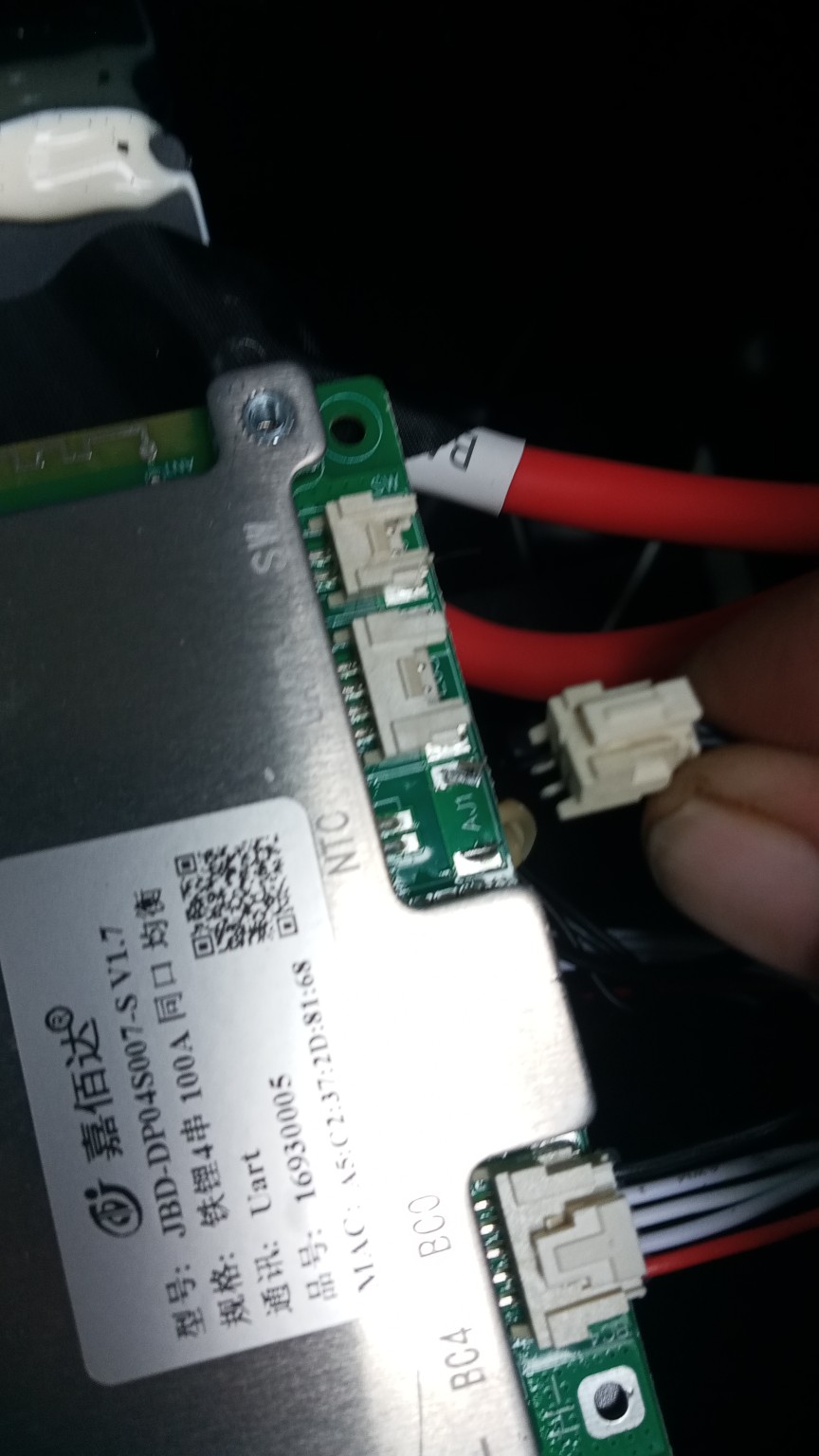
NTC-anturi mittaa akun sisäistä lämpötilaa. Se on yksi akun pienimmistä komponenteista, mutta samalla yksi tärkeimmistä.
LiFePO4-kennoja ei tule ladata pakkasella, sillä liian alhaisessa lämpötilassa lataaminen voi vaurioittaa kennoja pysyvästi. Tämän vuoksi BMS seuraa jatkuvasti akun lämpötilaa ja voi tarvittaessa estää latauksen. nbMonissa nykyaikaisissa akuissa sama anturi ohjaa myös sisäistä kennolämmitystä. Tässä TTWEN-akussa NTC-anturin johto oli irronnut jo ennen akun putoamista. Pudotus ei siis aiheuttanut kyseistä vikaa, vaan ainoastaan irrotti BMS:n kiinnityksestään.
Johdotukset ja virtaliitännät
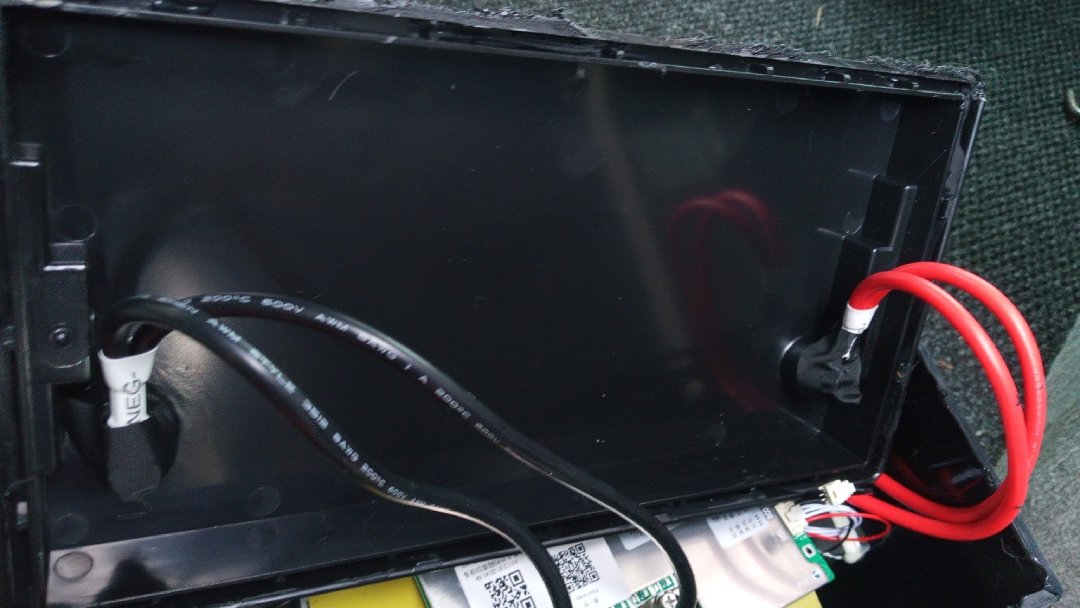
Akun sisällä suurvirtaiset liitännät on toteutettu silikonieristeisillä kuparikaapeleilla. Kuvien perusteella kaapeleiden poikkipinta-alaksi voidaan silmämääräisesti arvioida noin 10 mm². Kyseessä on oma arvio, ei valmistajan ilmoittama tieto. Kaapeleiden pituus on hyvin lyhyt, mikä vähentää jännitehäviötä ja lämpenemistä.
Tällaisissa akuissa itse kaapelin paksuus ei kuitenkaan ole ainoa ratkaiseva tekijä. Yhtä tärkeää on, että kaikki liitokset on kiristetty huolellisesti. Huono liitos voi lämmetä huomattavasti enemmän kuin itse kaapeli.
Akun navat ja niiden vastapuoli
Akun ulkopuolella näkyvät plus- ja miinusnavat vaikuttavat yksinkertaisilta, mutta niiden sisäpuolella sijaitsevat liitokset ovat koko akun kannalta kriittisiä. Napojen täytyy kestää suuria virtoja, jatkuvaa tärinää, lämpötilavaihteluita sekä mekaanista rasitusta koko akun käyttöiän ajan. Hyvä liitos ei juuri herätä huomiota, mutta huono liitos näkyy usein vasta silloin, kun akku kuormitetaan voimakkaasti. Tällöin seurauksena voi olla lämpenemistä, jännitehäviötä tai pahimmillaan liitoksen vaurioituminen.
Miksi tätä akkua ei voi pitää huollettavana tuotteena?
Vaikka akun sisältä löytyy tunnistettavia ja periaatteessa vaihdettavia osia, tätä akkua ei ole suunniteltu huollettavaksi. Kansi on liimattu kiinni, eikä sitä saa auki rikkomatta alkuperäistä liimasaumaa. Avaamisen jälkeen akku ei ole enää alkuperäisessä tehdaskunnossa.
Tämä on tyypillistä valmiille LiFePO4-akuille. Ne on suunniteltu suljetuiksi kokonaisuuksiksi, ei kentällä korjattaviksi laitteiksi. Valmistajan näkökulmasta tämä on ymmärrettävää: akussa on suuret virrat, väärin tehty korjaus voi olla vaarallinen, ja avaamisen jälkeen vastuu siirtyy käytännössä avaajalle.
Tämän vuoksi tällainen purku sopii dokumentointiin ja omaan käyttöön tarkoitetun vaurioituneen akun tutkimiseen, mutta ei ole järkevä toimintatapa ehjän asiakasakun kohdalla.
Mikä tässä akussa oikeasti oli vikana?
Tärkein havainto oli, etteivät ongelmat näyttäneet liittyvän itse kennoihin. Kennosto oli edelleen kunnossa. Alkuperäinen ongelma liittyi irronneeseen NTC-lämpötila-anturin johtoon. Sen jälkeen BMS:n asetuksia muutettiin Overkill Solar -sovelluksella niin, ettei BMS enää käyttänyt kyseistä anturia. Näin akku saatiin omaan käyttöön takaisin toimintakuntoon.
Myöhemmin akku putosi. Pudotuksen seurauksena BMS irtosi kiinnityksestään ja alkoi liikkua akun sisällä. Tämä oli varsinainen syy akun avaamiseen. Kun kansi avattiin, samalla pystyttiin dokumentoimaan akun rakenne ja tarkistamaan, mitä sen sisällä on.
Tämä tapaus näyttää hyvin, että LiFePO4-akun vika ei aina tarkoita kennovikaa. Joskus ongelma voi olla anturissa, johdossa, liittimessä, BMS:n kiinnityksessä tai BMS:n asetuksissa. Toisaalta juuri siksi akun kanssa pitää olla varovainen: BMS:n tehtävä on suojata kennoja, eikä sen suojaustoimintoja pidä ohittaa kevyin perustein.
Mikä on akun kriittisin osa?
Jos katsotaan akun arvoa, kriittisin osa on kennosto. Kennot varastoivat energian ja määräävät akun todellisen kapasiteetin sekä käyttöiän.
Jos katsotaan akun turvallista toimintaa, kriittisin yksittäinen osa on BMS. Ilman toimivaa BMS:ää akku ei pysty valvomaan kennojännitteitä, lämpötiloja tai virtoja. BMS tekee LiFePO4-akusta käyttäjälle turvallisen kokonaisuuden.
Jos taas katsotaan mekaanista kestävyyttä, kriittisiä ovat kiinnitykset, pehmusteet ja liitokset. Tämä yksilö osoitti sen hyvin. Kennot eivät olleet ongelma, mutta BMS:n irtoaminen putoamisen seurauksena teki akusta sellaisen, ettei sitä voinut enää käyttää avaamatta ja tarkistamatta.
Mitä TTWEN-akun purkaminen opetti?
Akun purkaminen vahvisti yhden asian. LiFePO4-akun laatua ei voi arvioida pelkästään kapasiteetin, painon tai ulkomittojen perusteella. Vähintään yhtä tärkeää on se, miten kennot, BMS, johdotukset ja mekaaninen rakenne muodostavat toimivan kokonaisuuden.
Tämä TTWEN-akku jätti kokonaisuudessaan asiallisen vaikutelman. BMS on tunnetun valmistajan tuote, johdotukset olivat siistit ja kennosto oli tuettu pehmusteilla. Samalla havaittiin, että kotelon sisällä oli runsaasti käyttämätöntä tilaa, mikä selittää hyvin, miksi markkinoilla on nykyään huomattavasti pienempiä saman kapasiteetin LiFePO4-akkuja.
Ehkä tärkein oppi oli kuitenkin se, ettei akun todellista kuntoa voi päätellä pelkästään siitä, antaako se virtaa vai ei. LiFePO4-akku on kokonaisuus, jossa kemia, elektroniikka ja mekaaninen rakenne toimivat yhdessä. Jos jokin näistä osa-alueista pettää, akku voi lakata toimimasta normaalisti, vaikka itse kennosto olisi edelleen täysin käyttökelpoinen.
Juuri tästä syystä moderni LiFePO4-akku on paljon enemmän kuin pelkkä energiavarasto. Se on älykäs järjestelmä, jonka toimintaa voidaan seurata, analysoida ja monissa tapauksissa myös diagnosoida huomattavasti tarkemmin kuin perinteisen lyijyakun. Se tekee siitä sekä turvallisemman että pitkäikäisemmän – kunhan sen rakenteen ja elektroniikan toimintaperiaatteet ymmärretään.
LiFePO4-akku ei ole vain muovilaatikko, jossa on neljä kennoa. Se on kokonaisuus, jossa kennot, BMS, lämpötila-anturi, johdotukset, navat ja mekaaninen rakenne muodostavat yhdessä turvallisen energiavaraston.
TTWEN-akun avaaminen osoitti konkreettisesti, kuinka suuri merkitys pienilläkin osilla on. Yksi irronnut NTC-johto voi estää akun normaalin toiminnan. Koska BMS ei saanut tietoa lämpötila-anturilta, BMS esti akun lataamisen ja virran antamisen. BMS:n irtoaminen kiinnityksestään voi tehdä akusta mekaanisesti epäluotettavan, vaikka kennot olisivat kunnossa. Toisaalta Bluetooth-yhteys ja yhteensopivat sovellukset mahdollistavat sen, että akun toimintaa voidaan tutkia paljon tarkemmin kuin perinteisen lyijyakun.
Samalla on hyvä muistaa, että nämä työkalut eivät ole leluja. Overkill Solar ja vastaavat sovellukset antavat pääsyn asetuksiin, joilla akun toiminta voidaan muuttaa perusteellisesti. Oikein käytettynä ne ovat tehokkaita diagnostiikka- ja huoltotyökaluja. Väärin käytettynä niillä voi tehdä toimivasta akusta toimimattoman tai jopa vaarallisen!
Tässä tapauksessa vaurioitunut TTWEN-akku tarjosi hyvän mahdollisuuden katsoa, mitä LiFePO4-akun sisällä todella on. Lopputulos vahvisti sen, minkä käytännön akkutekniikka opettaa nopeasti: LiFePO4-akun tärkein osa on kennosto, mutta akun turvallisuuden kannalta BMS on vähintään yhtä ratkaiseva.
Kirjoittajan huomio
Olen vuosien varrella rakentanut useita LiFePO4-akkuja yksittäisistä kennoista ja erillisistä BMS-järjestelmistä erilaisiin käyttötarkoituksiin. Siitä huolimatta tämä oli ensimmäinen kerta, kun dokumentoin valmiin tehdasvalmisteisen LiFePO4-akun rakenteen näin yksityiskohtaisesti.
Purkaminen vahvisti monta asiaa, joita olin jo käytännössä oppinut, mutta toi myös uusia havaintoja. Erityisesti kotelon sisäisen tilankäytön ratkaisut, BMS:n toteutus ja kennoston mekaaninen suojaus olivat mielenkiintoisia nähdä omin silmin. Lisäksi ensimmäistä kertaa tein isompia muutoksia Overkill Solar -ohjelmalla.
Toivon, että tämä artikkeli auttaa ymmärtämään, miksi laadukkaan LiFePO4-akun valinta ei ole pelkästään kapasiteetin tai hinnan vertailua. Akun sisällä on huomattavasti enemmän tekniikkaa kuin ulospäin voisi arvata, ja juuri nämä yksityiskohdat ratkaisevat pitkälti akun turvallisuuden, käyttöiän ja luotettavuuden.
What Is Really Inside a LiFePO4 Battery? – A 12.8 V 100 Ah LiFePO4 Battery Disassembled
Over the past few years, LiFePO4 batteries have become increasingly popular in motorhomes, boats, cabins, solar power systems, and various energy storage applications. Most users simply see them as black plastic boxes with positive and negative terminals. Few people ever stop to think about what is actually inside the enclosure—or why a LiFePO4 battery is far more than just four battery cells connected in series.
In this article, we disassemble a TTWEN 12.8-volt 100 Ah LiFePO4 battery and examine its internal construction from a practical point of view. The purpose is not to criticize the manufacturer or compare this battery with competing brands, but to demonstrate how a modern LiFePO4 battery is built and explain the function of its individual components.
This battery was not opened out of curiosity. The NTC temperature sensor cable had already become disconnected earlier. Later, the battery was accidentally dropped, causing the Battery Management System (BMS) to break loose from its mounting and move freely inside the enclosure. Since the battery had to be opened anyway, I decided to take advantage of the situation and document its internal construction as thoroughly as possible.
Before continuing, I'd like to emphasize one important point. Commercial LiFePO4 batteries are not designed to be user-serviceable. The lid is securely bonded to the enclosure, and opening it almost always destroys the original seal. Doing so also voids the manufacturer's warranty, and restoring the battery to its original factory condition is practically impossible. In addition, LiFePO4 batteries are capable of delivering extremely high short-circuit currents. Without proper knowledge and experience, opening one can be dangerous. This article is intended as a technical overview—not as a disassembly guide.
Opened LiFePO4 battery – cells and BMS
The battery enclosure clearly separates the cushioning material, battery cells, and BMS into their own sections.
Please Read Before Continuing
Commercial LiFePO4 batteries are generally not designed to be serviced. Opening the enclosure almost always damages the original adhesive seal or gasket. Once opened, the manufacturer's warranty is void, and the original weather and moisture protection cannot be guaranteed unless the battery is carefully reassembled and resealed.
A LiFePO4 battery is also capable of delivering extremely high short-circuit currents. Improper handling can damage the battery, the BMS, your tools, or even create hazardous situations. This article is intended solely as a technical presentation—not as a repair or disassembly guide.
First Observation – Surprisingly Large Amount of Empty Space
Once the lid had been removed, the first thing that caught my attention was the amount of unused space inside the enclosure.
Before opening the battery, it would have been reasonable to assume that a 100 Ah battery would be almost completely filled with cells. That was not the case with this TTWEN battery. The cell pack occupies only about one-third of the enclosure's internal volume. The remaining space consists of cushioning material, the BMS installation, and a considerable amount of empty air space.
This does not automatically indicate poor engineering. The manufacturer may use the same enclosure for several different battery models or reserve space for optional features. However, this observation clearly explains why many modern 100 Ah LiFePO4 batteries are significantly smaller. By packaging the cells, electronics, and wiring more efficiently, the same capacity can be achieved in a much more compact enclosure.
In other words, you cannot determine the actual size of the cell pack simply by looking at the external dimensions of the battery.
The Cell Pack Is the Most Valuable Part of the Battery
The most important—and also the most valuable—component inside the battery is the cell pack.
This TTWEN battery uses four LiFePO4 cells connected in series. Each individual cell has a nominal voltage of approximately 3.2 volts, resulting in a nominal battery voltage of 12.8 volts. When fully charged, each cell reaches approximately 3.65 volts, giving the battery a total voltage of around 14.6 volts.
These cells store all of the battery's energy. Every other component inside the enclosure exists to protect them and ensure they operate safely and reliably.
High-quality LiFePO4 cells are typically rated for thousands of charge and discharge cycles. When properly used, their service life can easily exceed ten years.
Perhaps the most important finding during this disassembly was that the cell pack itself appeared to be in excellent condition. Although the battery had suffered a significant mechanical impact, the cells showed no visible signs of damage.
The Foam Padding Is Not Just Filler
LiFePO4 battery cell shock absorption
At first glance, the foam padding inside the battery may appear to be nothing more than simple packing material. In reality, it serves several important functions.
It keeps the cell pack securely in place, prevents movement inside the enclosure, and absorbs vibration and mechanical shocks. At the same time, it prevents the BMS, wiring, and other components from pressing directly against the battery cells.
This becomes particularly important in vehicles. Whether installed in a boat, a motorhome, or a service vehicle, the battery is constantly exposed to vibration. Without proper support, these forces would be transferred directly to the cells and electrical connections.
In this particular battery, the cell pack remained securely in place even after the battery had been dropped. The BMS, however, broke loose from its mounting. This indicates that the mechanical support of the cell pack performed well, even though the electronics mounting did not withstand the impact quite as successfully.
The BMS – The Brain of the Battery
JBD BMS LiFePO4 battery
If the battery cells are the heart of the battery, then the Battery Management System (BMS) can be considered its brain.
This TTWEN battery is equipped with a JBD (Jiabaida) Battery Management System, model JBD-DP04S007-S V1.7. It is a 100-amp BMS designed for a four-cell (4S) LiFePO4 battery and features both Bluetooth connectivity and a UART service interface.
JBD (Jiabaida) is one of the best-known manufacturers of Battery Management Systems for LiFePO4 batteries. The same BMS hardware can be found inside batteries sold under many different brand names, even though the battery itself may be marketed by a completely different manufacturer.
The BMS continuously monitors the voltage of each individual cell, the total battery voltage, charging current, discharge current, and battery temperature. If any of these values move outside their safe operating limits, the BMS automatically disconnects charging, discharging, or both to protect the battery cells from damage.
The BMS also performs cell balancing, ensuring that all four cells remain as close as possible to the same voltage during charging. Keeping the cells balanced improves battery performance, extends service life, and helps maintain the full usable capacity of the battery.
Without a properly functioning BMS, a LiFePO4 battery would be significantly more vulnerable to damage and considerably less safe for the user. The battery cells alone are capable of delivering extremely high currents. Under fault conditions, wiring could overheat or even melt. The BMS therefore protects not only the battery itself, but also the equipment connected to it—and ultimately the user.
JBD BMS LiFePO4 battery 2
Bluetooth Makes the Battery Transparent
One of the useful features of this battery is its built-in Bluetooth connectivity.
The QR code printed on the BMS circuit board refers to the XiaoXiang Electric application, one of the most commonly used management apps for JBD-based Battery Management Systems.
During this project, however, the battery was monitored and configured using the Overkill Solar application, which supports a wide range of JBD BMS models.
The application is available on Google Play:
https://play.google.com/store/apps/details?id=com.marchingband.overkillsolar
Using the app, you can monitor the battery's voltage, charging and discharging current, state of charge, individual cell voltages, battery temperature, and various alarm conditions. It provides far more detailed information than simply measuring the battery voltage with a multimeter.
Important Warning
Overkill Solar – Google Play
Warning: Overkill Solar Can Make Your Battery Inoperable
Overkill Solar is much more than a battery monitoring application—it also allows the user to modify the BMS configuration.
Incorrect settings can render the battery completely inoperable. Charging or discharging may be disabled, protection thresholds may be configured incorrectly, or the overall safety of the battery can be compromised.
If you do not fully understand the purpose of every parameter, do not change the settings.
Before making any modifications, always save the original configuration, for example by taking screenshots of every settings page.
In this particular battery, Overkill Solar was intentionally used because the NTC temperature sensor cable had already become disconnected and the battery was no longer intended for customer use. The BMS was configured so that it would no longer monitor the disconnected NTC sensor. This was a deliberate solution for this specific damaged battery and should not be considered a general recommendation for normal LiFePO4 battery maintenance.
The NTC Temperature Sensor – Small but Extremely Important
LiFePO4 battery with disconnected NTC cable
The NTC temperature sensor monitors the internal temperature of the battery. It is one of the smallest components inside the battery, yet also one of the most important.
LiFePO4 cells should not be charged below freezing temperatures, as charging at very low temperatures can permanently damage the cells. For this reason, the BMS continuously monitors battery temperature and can prevent charging whenever necessary.
In many modern LiFePO4 batteries, the same temperature sensor is also used to control the battery's internal heating system.
In this TTWEN battery, the NTC sensor cable had already become disconnected before the battery was dropped. The impact itself did not cause this fault—it only caused the BMS to break loose from its mounting.
Internal Wiring and High-Current Connections
LiFePO4 battery terminal wiring
The battery's high-current connections are made using silicone-insulated copper cables. Based on visual inspection, the cable cross-section appears to be approximately 10 mm². This is my own estimate based on the photographs and not an official specification from the manufacturer.
The cables inside the battery are kept very short, minimizing both voltage drop and heat generation.
However, cable size alone is not the most important factor in batteries like this. Properly tightened electrical connections are just as critical. A poor connection can generate considerably more heat than the cable itself, even when the cable is correctly sized.
Battery Terminals and Their Internal Connections
From the outside, the positive and negative terminals appear to be simple connection points. Inside the battery, however, the internal connections behind these terminals are among the most critical parts of the entire system.
The terminals must withstand high currents, continuous vibration, temperature fluctuations, and mechanical stress throughout the battery's service life.
A properly made connection usually goes unnoticed, but a poor connection often reveals itself only under heavy load. The result can be excessive heating, voltage drop, or, in the worst case, failure of the connection itself.
Why Isn't This Battery Considered Serviceable?
Although the battery contains recognizable components that could theoretically be replaced individually, it was never designed to be serviced.
The lid is permanently bonded to the enclosure, and opening it inevitably destroys the original adhesive seal. Once opened, the battery can no longer be considered to be in its original factory condition.
This is typical of commercially manufactured LiFePO4 batteries. They are designed as sealed units rather than field-serviceable devices. From the manufacturer's perspective, this approach is understandable. The battery contains very high electrical currents, improper repairs can create serious safety risks, and once the enclosure has been opened, responsibility for the battery effectively shifts to the person performing the work.
For this reason, opening a battery like this may be justified for documenting its construction or examining a mechanically damaged battery intended for personal use, but it is not an appropriate procedure for a fully functional customer battery.
What Was Actually Wrong With This Battery?
The most important finding was that the problems did not appear to originate from the battery cells themselves. The cell pack remained in excellent condition.
The original fault was caused by the disconnected NTC temperature sensor cable. After that, the BMS configuration was intentionally modified using the Overkill Solar application so that the disconnected sensor would no longer be monitored. This allowed the battery to remain fully usable for my own personal use.
Later, the battery was accidentally dropped. The impact caused the BMS to break loose from its mounting and move freely inside the enclosure. That mechanical damage ultimately became the reason for opening the battery. Once the enclosure had been opened, it also provided an excellent opportunity to document the internal construction and examine all of its major components.
This case demonstrates that a LiFePO4 battery malfunction does not necessarily indicate damaged battery cells. In some cases, the fault may lie in a sensor, wiring, a connector, the BMS mounting, or the BMS configuration itself.
At the same time, this also illustrates why modifications should always be approached with caution. The primary purpose of the BMS is to protect the battery cells, and its built-in safety functions should never be bypassed without a thorough understanding of the consequences.
What Is the Most Critical Part of the Battery?
If we consider the battery's value, the most critical component is the cell pack. The cells store the energy and ultimately determine the battery's actual capacity, performance, and service life.
From a safety perspective, however, the single most critical component is the Battery Management System (BMS). Without a properly functioning BMS, the battery cannot monitor individual cell voltages, temperatures, or current flow. The BMS is what makes a LiFePO4 battery a safe and reliable energy storage system for everyday use.
When it comes to mechanical durability, the critical components are the mounting points, cushioning materials, and electrical connections. This battery demonstrated that perfectly. The cells themselves were not the problem, but once the BMS became detached after the battery was dropped, the battery could no longer be considered mechanically reliable without opening it for inspection.
What Did We Learn From Disassembling This TTWEN Battery?
Opening this battery confirmed one important fact: the quality of a LiFePO4 battery cannot be judged solely by its capacity, weight, or external dimensions. Equally important is how well the battery cells, the BMS, the wiring, and the mechanical structure work together as a complete system.
Overall, this TTWEN battery left a positive impression. It uses a well-known JBD Battery Management System, the internal wiring was neat, and the cell pack was properly supported with cushioning materials. At the same time, the battery contained a significant amount of unused internal space, which helps explain why many modern LiFePO4 batteries of the same capacity are available in considerably smaller enclosures.
Perhaps the most important lesson was that you cannot determine the true condition of a LiFePO4 battery simply by checking whether it supplies power. A LiFePO4 battery is a combination of chemistry, electronics, and mechanical engineering. If any one of these elements fails, the battery may stop operating normally even though the cell pack itself remains in excellent condition.
For this reason, a modern LiFePO4 battery is much more than an energy storage device. It is an intelligent system whose operation can be monitored, analyzed, and, in many cases, diagnosed far more accurately than a traditional lead-acid battery. This makes it both safer and longer-lasting—provided its construction and electronic protection systems are properly understood.
A LiFePO4 battery is not simply a plastic box containing four battery cells. It is a carefully engineered system where the cells, the BMS, the temperature sensor, the wiring, the terminals, and the mechanical construction all work together to create a safe and reliable energy storage solution.
Opening this TTWEN battery clearly demonstrated how important even the smallest components can be. A single disconnected NTC temperature sensor cable was enough to prevent the battery from operating normally. Because the BMS no longer received a valid temperature reading, it disabled both charging and power output. Likewise, a BMS that has become detached from its mounting can make a battery mechanically unreliable, even if the cells themselves remain in perfect condition.
On the other hand, Bluetooth connectivity and compatible applications make it possible to analyze the battery's operation in far greater detail than would ever be possible with a conventional lead-acid battery.
At the same time, it is important to remember that these applications are powerful engineering tools—not toys. Overkill Solar and similar software provide access to configuration settings that can fundamentally alter how the battery operates. Used correctly, they are excellent diagnostic and maintenance tools. Used incorrectly, they can turn a perfectly functional battery into one that is unusable—or even unsafe.
In this case, the damaged TTWEN battery provided an excellent opportunity to examine what is actually inside a modern LiFePO4 battery. The experience reinforced one of the most important lessons in battery technology: while the cell pack represents the battery's true value, the BMS is every bit as important when it comes to safety, protection, and reliable operation.
Author's Note
Over the years, I have built numerous LiFePO4 battery packs using individual cells and standalone Battery Management Systems for a variety of applications. Even so, this was the first time I had the opportunity to document the internal construction of a commercially manufactured LiFePO4 battery in such detail.
Disassembling this battery confirmed many things I had already learned through practical experience, but it also revealed several new insights. In particular, it was fascinating to examine the internal use of space, the implementation of the JBD BMS, and the mechanical protection of the cell pack firsthand. It was also my first opportunity to make more extensive configuration changes using the Overkill Solar application.
I hope this article helps readers understand that choosing a quality LiFePO4 battery is about far more than simply comparing capacity or price. There is considerably more engineering inside a battery than its exterior suggests, and it is these details that largely determine its safety, service life, reliability, and long-term performance.

